And why it keeps finding new ears every generation.
Disco doesn’t survive because of nostalgia.
It survives because it works.
Even people who swear they “don’t like disco” often end up loving disco-influenced records without realizing it. The grooves feel familiar. The energy feels uplifting. The records feel alive in a way a lot of modern music doesn’t.
There’s a reason disco keeps looping back into culture — and why listeners keep leaning in.
Disco Is Instantly Understandable
Disco doesn’t overcomplicate things.
You hear it once and you know where the song is going. The rhythm is clear. The bassline leads. The vocals feel emotional without being cryptic.
For listeners, that means:
No learning curve
No decoding
No pressure to “get it”
Disco invites you in immediately — and that accessibility is a big part of its staying power.
The Groove Is the Hook
In disco, the groove is the main idea.
Instead of relying on drops or shock moments, disco builds interest through:
Basslines that move
Rhythms that evolve subtly
Small changes that reward repeat listening
You don’t just listen once and move on. You stay because the groove keeps revealing itself over time. That’s why disco records age so well — and why DJs still trust them on modern dance floors.
Disco Feels Human
One reason disco stands out to listeners today is how human it sounds.
You can hear:
Real musicians playing together
Imperfections that add character
Energy that feels lived-in
In a digital-heavy music landscape, disco feels warm and tactile. Even modern disco edits and reworks often lean into that same feeling — because listeners respond to it.
It doesn’t feel manufactured.
It feels played.
Disco Balances Emotion and Energy
Disco sits in a sweet spot that a lot of genres miss.
It’s emotional, but not heavy.
Energetic, but not aggressive.
Uplifting, but not cheesy.
That balance makes disco incredibly versatile for listeners:
Background listening
Driving
Social settings
Dance floors
You can engage with it deeply or let it ride — either way, it works.
It Connects Past and Present
Disco is one of the clearest bridges between eras of music.
You can draw a straight line from disco to:
House
Funk
Nu-disco
Modern dance and pop records
For curious listeners, disco becomes a gateway. You hear a modern track, trace it back, and suddenly you’re digging through older records, edits, and influences.
That discovery process is part of the appeal.
Disco Encourages Listening Together
Disco shines in shared spaces.
It’s music that makes sense in rooms with people — where movement, conversation, and energy all overlap. That social quality makes it more interesting than music designed strictly for headphones.
Listeners don’t just hear disco.
They experience it.
And that experience is what keeps them coming back.
Come Hear It the Way It’s Meant to Be Heard
If you want to understand why disco still hits, hear it in the right room with the right system and the right people.
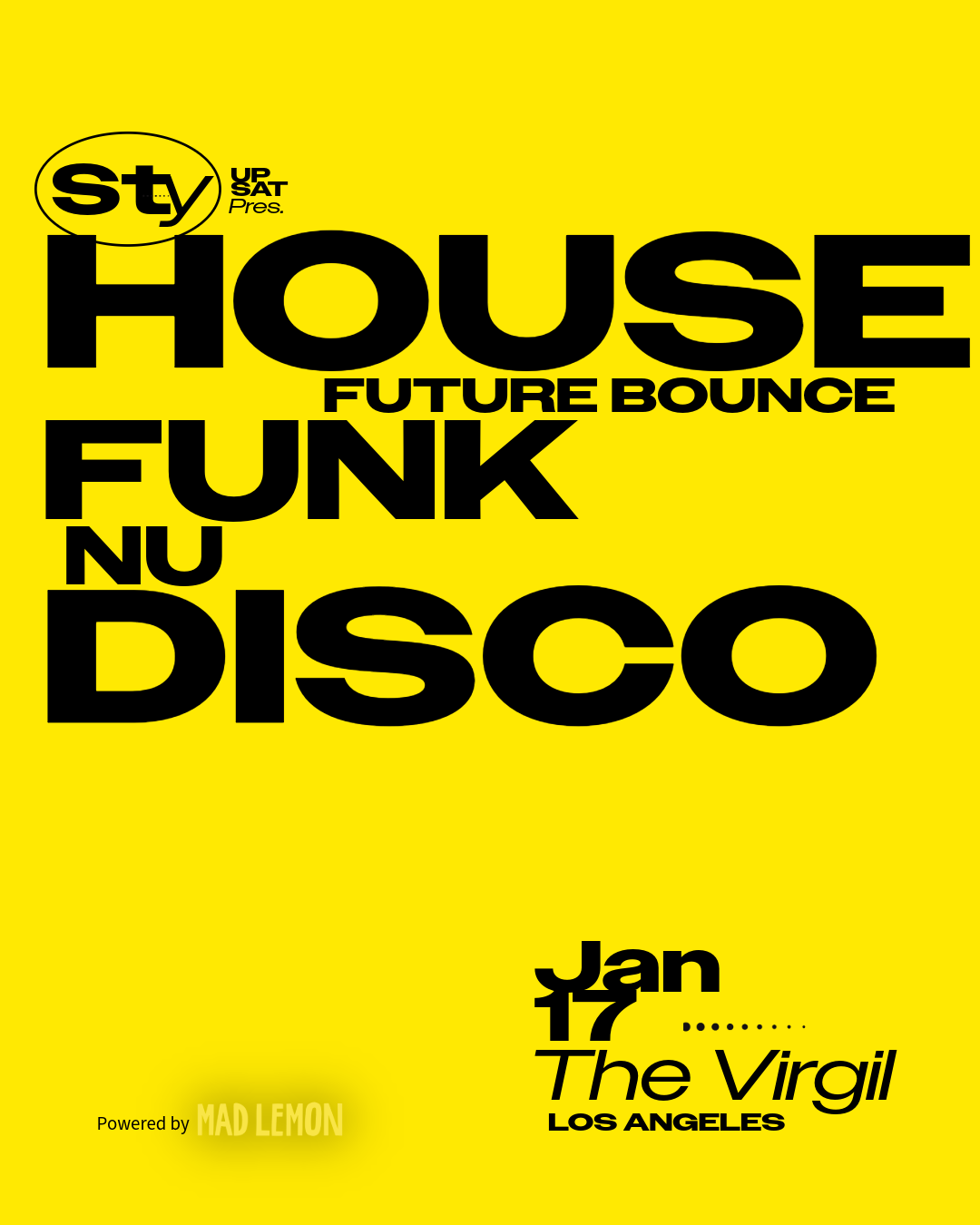
Stay Up Saturdays is built around exactly that — modern listening culture rooted in disco, house, funk, and open-format DJ sets that respect the music and the crowd.
📍 The Virgil
📅 Friday, January 17th
⏰ 10PM – 2AM
📍 Los Angeles, CA
No nostalgia act. No costumes. Just great records played with intention.
👉 RSVP here:
https://partiful.com/e/oh0hfRmjfMUYyPZcyrcu?c=3CDMyjTl
Come listen closely, dance casually, and hear why disco still holds people’s attention.