Why the Dance Floor Is Still One of the Most Interesting Places to Listen
Not background music — a shared experience.
There are a lot of ways to listen to music now. Headphones. Cars. Screens. Algorithms deciding what comes next.
But the dance floor still does something none of those can replicate.
It turns listening into a collective experience. Music isn’t just playing — it’s being reacted to in real time. Every bassline, transition, and tempo shift lands differently when it’s felt by a room full of people at once.
That’s what makes the dance floor endlessly interesting.
You Hear Music Differently When Others Are Around
On a dance floor, listening isn’t passive.
You notice:
How people react to certain grooves
When a room leans in or opens up
Which records spark movement, smiles, or conversation
The music becomes a conversation between the DJ and the crowd. As a listener, you’re part of that exchange — even if you never say a word.
That feedback loop makes familiar songs feel new again.
The DJ Becomes a Curator, Not a Performer
In the best rooms, DJs aren’t there to dominate attention.
They’re there to:
Read the room
Guide energy
Connect tracks in ways that make sense in that moment
For listeners, this creates a deeper appreciation of sequencing, timing, and restraint. You start hearing why a track works where it does — not just what it sounds like.
The dance floor turns listening into something intentional.
Movement Changes How You Listen
Standing still and listening is one thing. Moving while listening is another.
Even subtle movement:
Sharpens rhythmic awareness
Highlights bass and percussion
Makes transitions feel physical
You don’t just hear the groove — you feel how it’s built. That physical engagement makes listeners more attuned to details they might miss otherwise.
It’s why dance-floor records often reveal layers you never noticed at home.
Shared Energy Keeps Attention Locked In
In most listening environments, attention drifts.
On a dance floor, the opposite happens.
The shared energy of the room:
Keeps people present
Encourages longer listening stretches
Rewards patience and progression
Listeners stay because something is unfolding collectively. You don’t skip tracks — you wait to see where things go.
That sense of anticipation is rare and valuable.
No Algorithms, Just Taste
The dance floor is one of the last places where music discovery isn’t dictated by an algorithm.
What you hear is shaped by:
A DJ’s taste
The crowd’s response
The moment itself
For curious listeners, this makes the experience richer. You’re exposed to music in context — not just as isolated tracks, but as part of a larger flow.
That context is what makes songs stick.
The Room Matters as Much as the Music
Listening on a dance floor is about more than sound.
Lighting, proximity, sound system, and crowd size all influence how music lands. A good room turns listening into something immersive — not overwhelming, but enveloping.
When all those elements align, music feels designed for the space, not just played through it.
Come Listen With Us
If you want to experience music this way — not passively, not on shuffle — but in a room built for shared listening, come through.
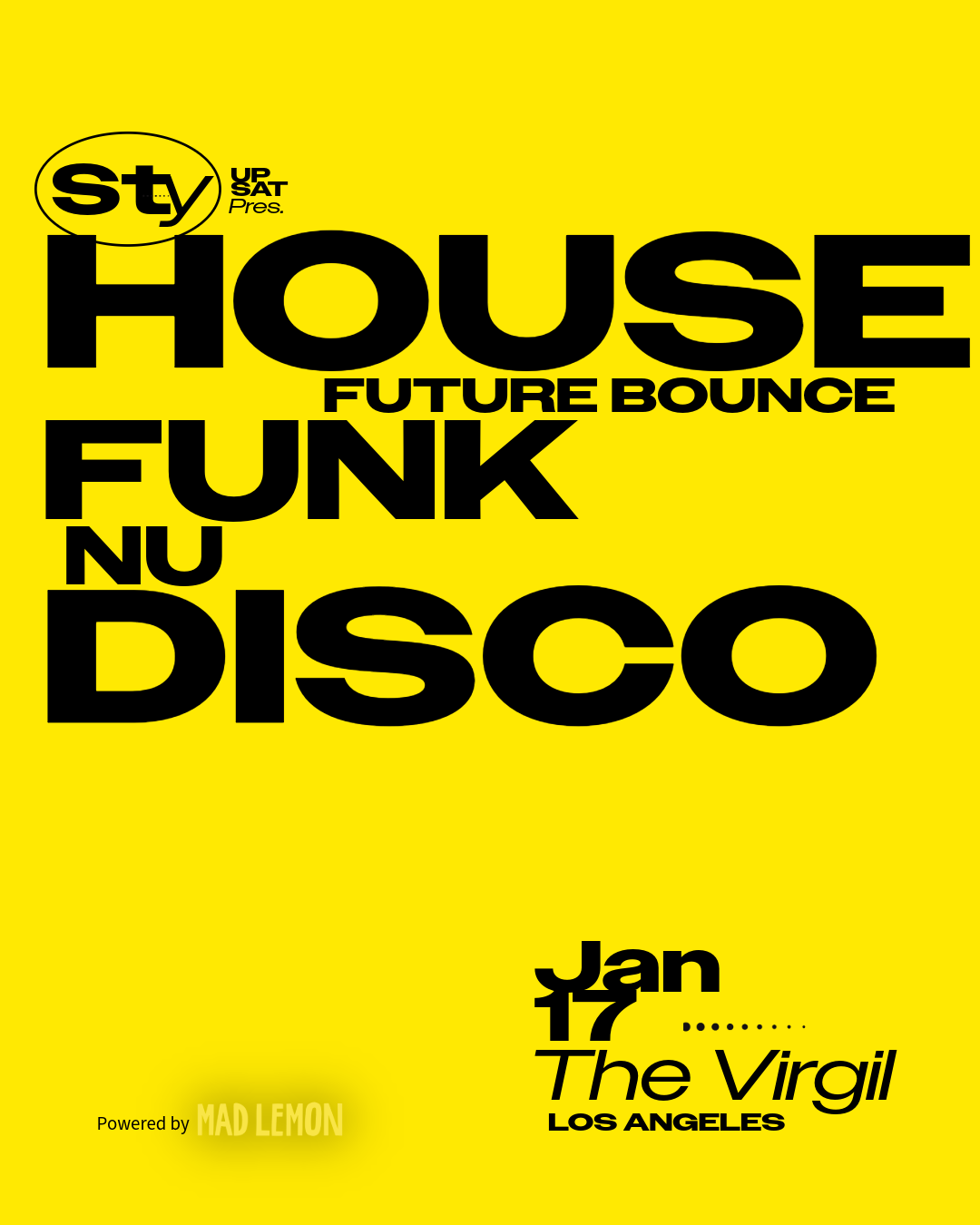
Stay Up Saturdays is rooted in listening culture first: thoughtful DJ sets, open-format flow, and crowds that show up for the music as much as the moment.
📍 The Virgil
📅 Friday, January 17th
⏰ 10PM – 2AM
📍 Los Angeles, CA
No gimmicks. No distractions. Just good records in a room that knows how to listen.
👉 RSVP here:
https://partiful.com/e/oh0hfRmjfMUYyPZcyrcu?c=3CDMyjTl
Come hear music the way it was meant to be heard — together.